Stolpersteine

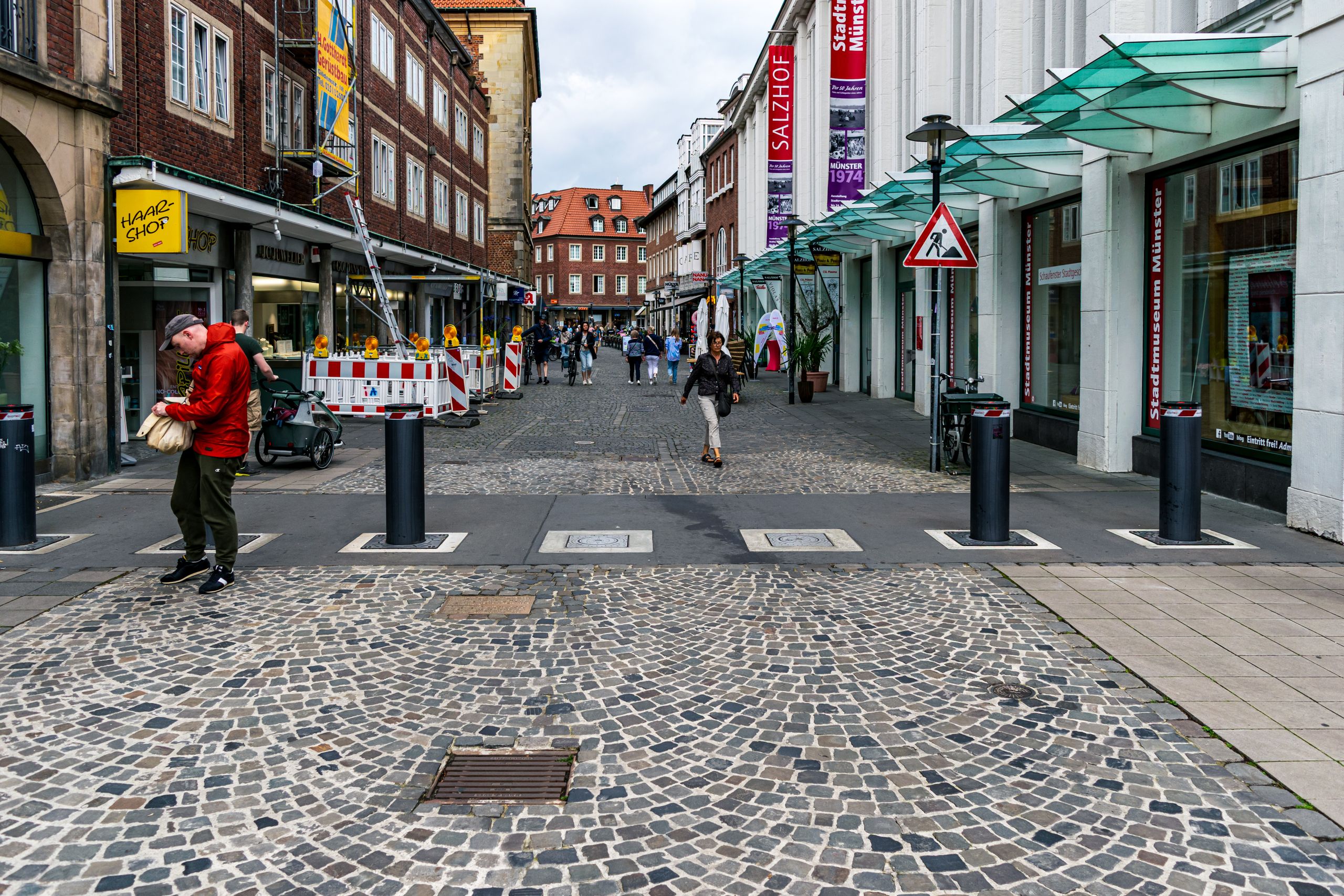
Yesterday, I encountered a stolperstein for the first time. Walking through a cobbled East German sidewalk in Halle, someone tripped. Not by accident, though. Stolpersteine are sometimes known as ‘stumbling’ stones. At first glance, they might just seem a little out of place. A slightly larger brass-plated cube amongst a sea of grey-adjacent small cobblestones. Maybe on a different axis, too. Who built this pedestrian road!
Yet, when you look closer, a paradigm shift occurs. You were supposed to trip. You are supposed to peer down at that stone with scrutiny. You are supposed to read the inscriptions. Then, you’ll realise, that stolpersteine across Germany—and indeed, throughout Europe more broadly—are designed to be a jarring physical reminder; each an ode to a victim of Nazi persecution.
Yesterday, we stumbled across a husband and wife exterminated together in 1942. Every stone bears the name and life dates of the Jewish victims. Further still, their locations are very purposeful. The initiative aims to pay tribute at the final places where these people worked, lived, or studied out of their own free choice.
By nature of their sporadic, but intentional placements, stolpersteine are subtle, but poignant. Each encounter leads to a moment of pause and reflection. An everyday reminder to not bury the past, but to learn from it.