Being Paid to Study

Imagine you were able to study at university for free? Truly free. Not just without upfront cost, but without crippling, high-interest student debt as well. As someone spending at least seven years pursuing a degree in Australia, that definitely sounds nice. Even then, I have extremely favourable circumstances. I have the safety net of family support and an—albeit, far off—medical degree that should confer me financial security in my post-graduate years. Many Australians have neither of these luxuries. Because of the high financial burden taken on through tertiary study, there is plenty of incentive to look elsewhere. This system also shapes study choices towards degrees that offer the highest graduate salaries in the shortest amount of time. Is that inherently bad? Maybe. But it certainly is a phenomenon.
I know this is a wild suggestion, but what if university wasn’t just free—instead, what if you were paid to study? That doesn’t seem to make much sense, right?
Meet Asger. A young Danish snowboard instructor. He mentions that this ski season has been a part of a gap year for him and that he plans on studying after the winter. I ask him where. In Denmark, of course. Why wouldn’t he? To study his dream aerospace engineering degree will cost him exactly zero dollars. Not only that, the government will pay him around €1000 per month to cover living costs.
Is there a catch? Not really. The grant can continue as long as the study does, provided you are progressing throughout your degree and live independently of your parents. I think this is an important measure. A criticism that might come to mind is the idea of forever students, those who indefinitely prolong their degree, and thus, payments. Whilst not perfectly, this academic progress hurdle helps to combat this foreseeable issue. Plus, the grant received is still significantly lower than the salary expected from an average graduate job, so the incentive is still there to actually finish your degree.
Anyway, the idea of this system was completely new to me, and intriguing. What underlying mechanisms support this? Would something like this be viable elsewhere? Not easily.
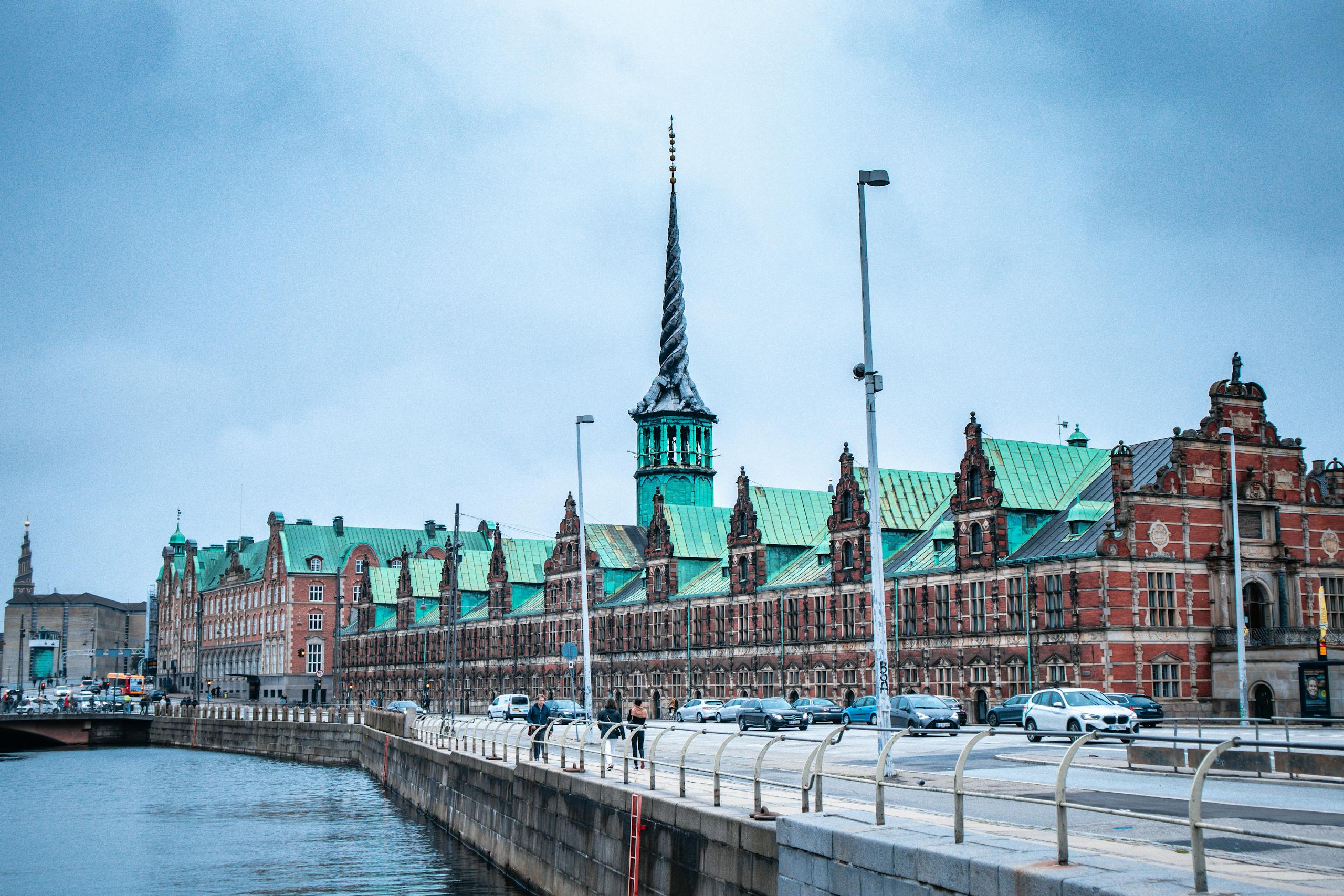
The Danish model prioritises equity and opportunity, and underpins a state-led investment in human capital, creativity, and skill. In Denmark, quality education is viewed as a public good rather than a private, personal investment. Intended outcomes from this system include:
- Higher participation in tertiary education
- Lower income inequality among graduates
- Significantly reduced debt post-graduation
- More freedom to study what you’re good at, not just what pays best
Fostering a more skilled, debt-free workforce also has secondary consequences as well, which may feasibly include lower unemployment, reduced relative cost of living, and a more equal distribution of wealth nationally.
However, none of this would possible without heavy taxes. Denmark has an aggressive, but strategic, socialist-esque tax policy. For top earners, the 55.9% tax rate is steep—third highest in the world, in fact. It also boasts a hefty 25% sales tax, raking in 2.5x from GST compared with Australia. Interestingly though, corporate tax rates are 8% lower than Australia, promoting investment.
Thus, there is of course a trade off. Nothing is ever truly free.
That being said, many Australians cannot justify tertiary education because of the lifelong debt incurred. Equally, many Australian students must work full-time hours throughout the week to support their studies and the high living costs, which, in many cases, detracts from the actual study itself. As such, study can become a burden for many, limiting financial, social, and creative freedom.
Is the Danish model likely to be implemented in Australia any time soon? I’d strongly doubt it, due to foundational social, cultural, and economic differences that would be hard to bridge. But I think it provides a nice slice of perspective and valuable insight into the unique education-driven strategy behind the second-happiest country in the world.