The Characterisation of Weather

We rarely notice how reflexive our relationship with weather has become. A glance at a forecast is often enough to determine our mood for the day ahead. Sunshine is met with optimism, grey skies with resignation. We sigh, we groan, we recalibrate expectations before we’ve even stepped outside.
This is the essence of what literature calls pathetic fallacy: the projection of human emotion onto the natural world. Storms rage when characters are in turmoil; gentle breezes arrive with moments of peace. It’s a powerful device because it mirrors something deeply familiar. Weather does not merely surround our lives. It seeps into how we interpret them.
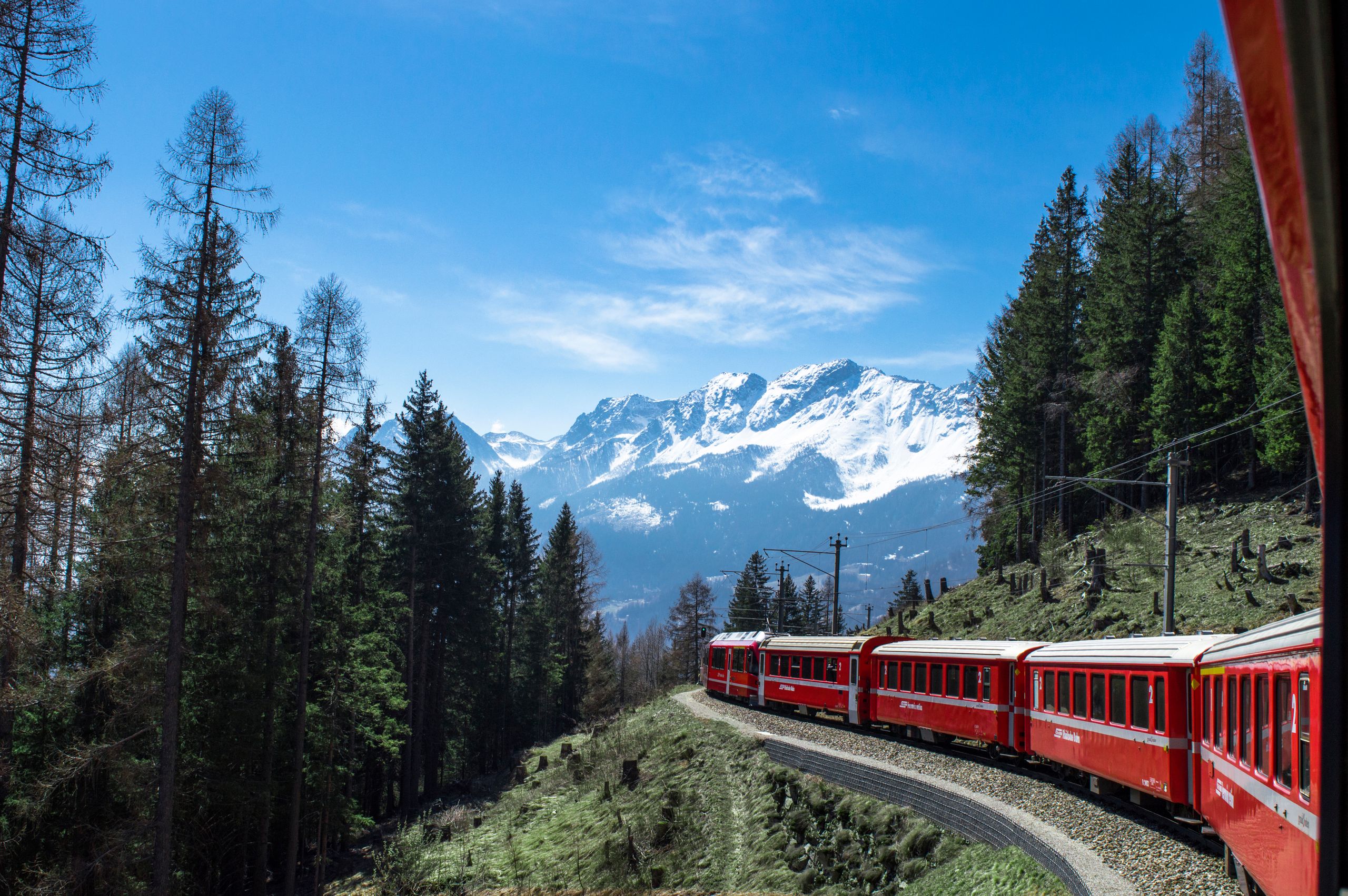
Good weather feels permissive. It grants us an unspoken licence to move freely, to explore, to be spontaneous. Bad weather, on the other hand, restricts us, or at least offers us a socially acceptable excuse to retreat, to delay, or to abandon the day altogether. A cancelled plan can be blamed on rain without guilt. Productivity can be postponed under the banner of gloom.
But is any weather inherently better, or is it simply the meaning we’ve assigned to it?
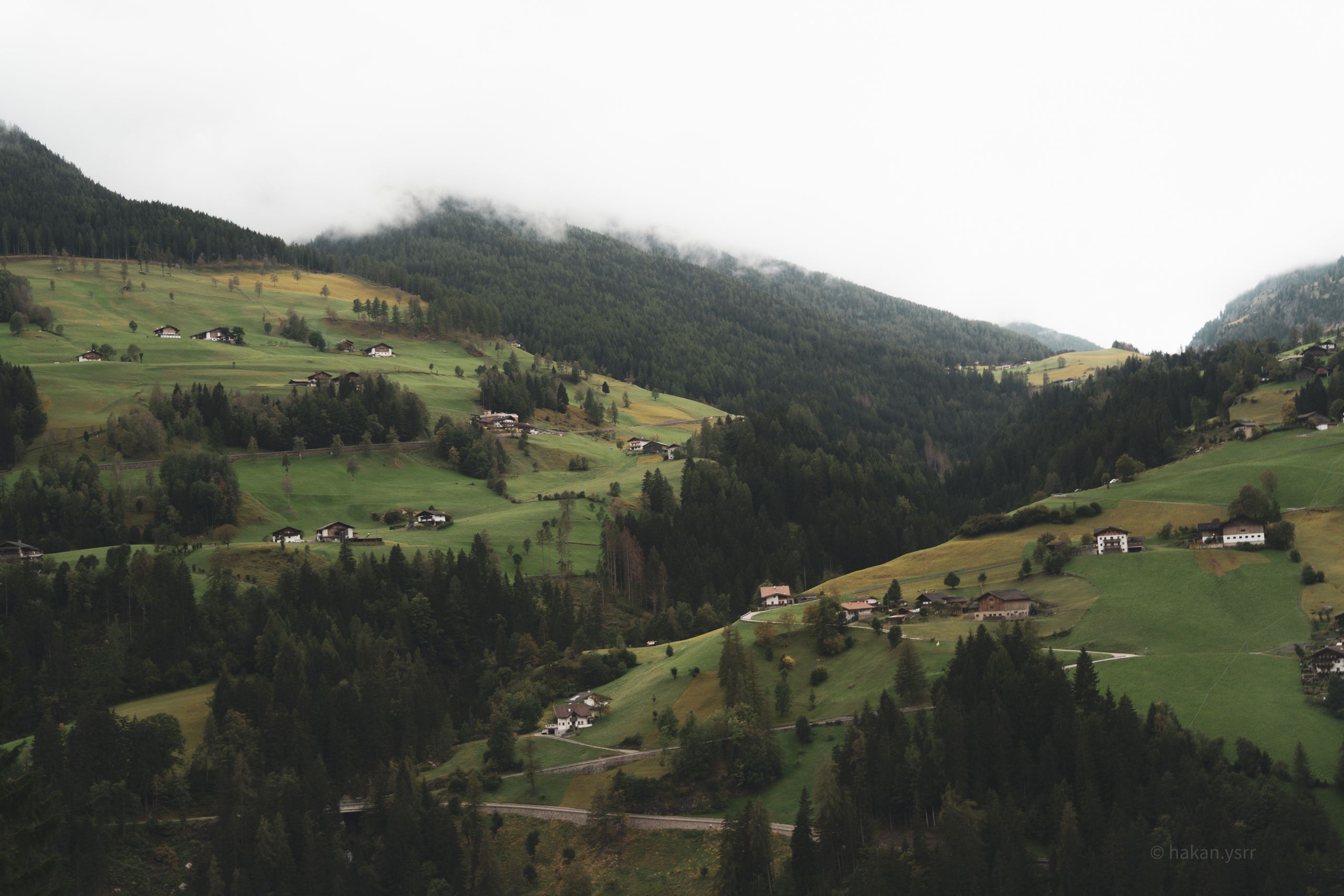
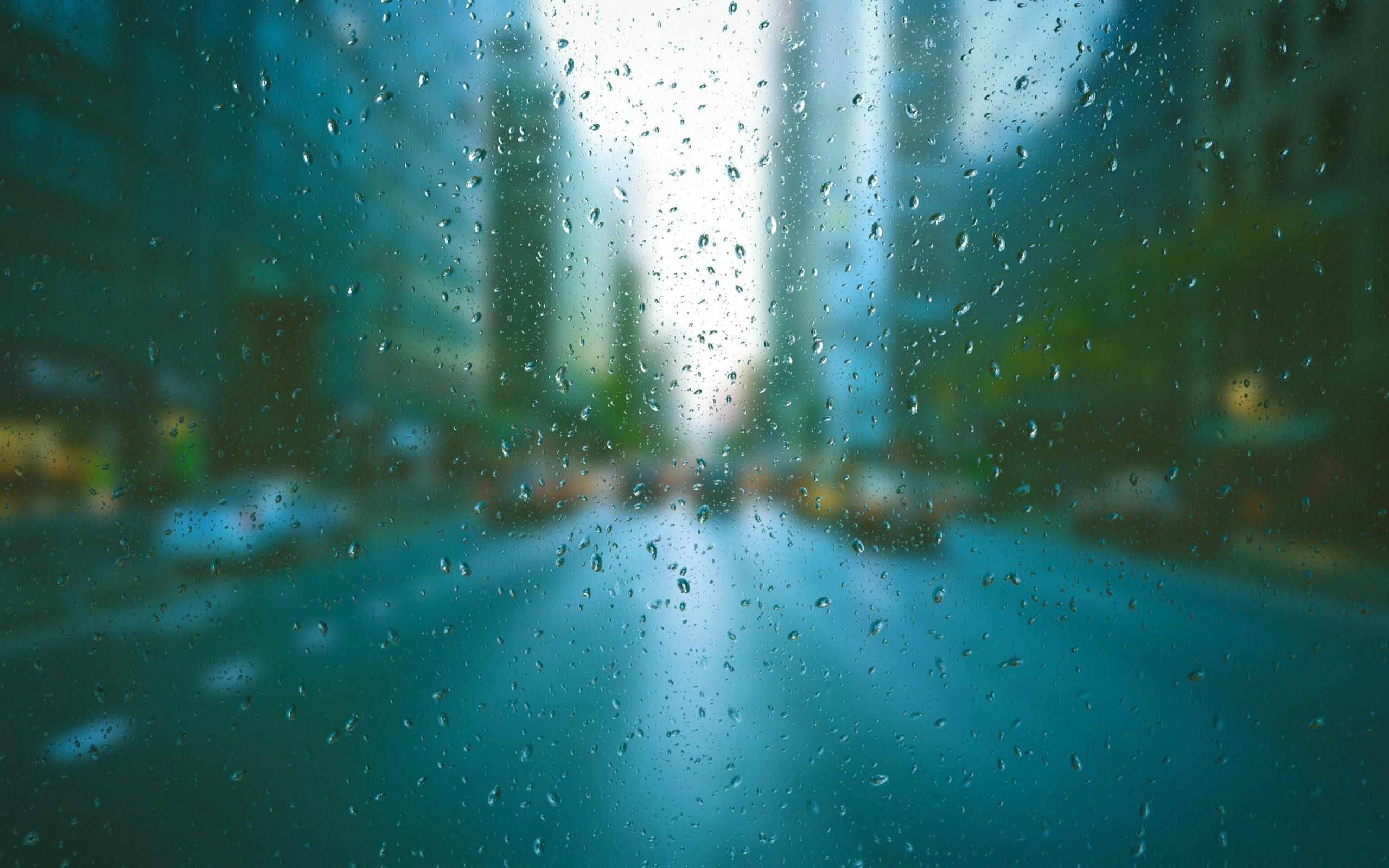
To a toddler, rain is rarely a disappointment. It’s puddles, texture, novelty. The sky’s colour carries no moral weight. Only later do we learn that darkness is meant to feel heavy, that drizzle signals inconvenience, that a dull forecast justifies dull emotions. The weather hasn’t changed—our conditioning has.
Of course, there are limits. A cyclone is not an invitation for a bike ride, and ignoring genuine danger in the name of stoicism is neither wise nor romantic. Yet outside these extremes, it’s worth questioning how readily we surrender our autonomy to conditions entirely beyond our control. When we allow nature to dictate our emotional range, we amplify both the highs and the lows, widening the peaks and troughs of an already uneven life.
Perhaps the problem isn’t that we characterise weather at all, but that we do so too rigidly. Each day carries its own texture, its own emotional palette. Grey skies can be quiet rather than oppressive. Rain can be grounding instead of limiting. Heat can exhaust as easily as it energises.
Weather brings variety, contrast, and unpredictability: the same qualities we often claim to value in life itself. The weather undoubtedly affects us, but the question is whether we let that impact influence our decision-making.