Unpacking Oysters

Is the world your oyster?
Probably, yes. But what does that actually mean?
Never before have I felt the spirit of this cliché resonate with me as much as I did yesterday. Without deadlines, commitments, or restrictions, there was a sense of total freedom. I hopped off the bus at Tokyo station and suddenly realised I had no plan. It was 8:30am and I couldn’t check in to my hostel until 4pm. With all my possessions on my back, I could spend these hours doing whatever I felt like. Truly. Of course, I walked.
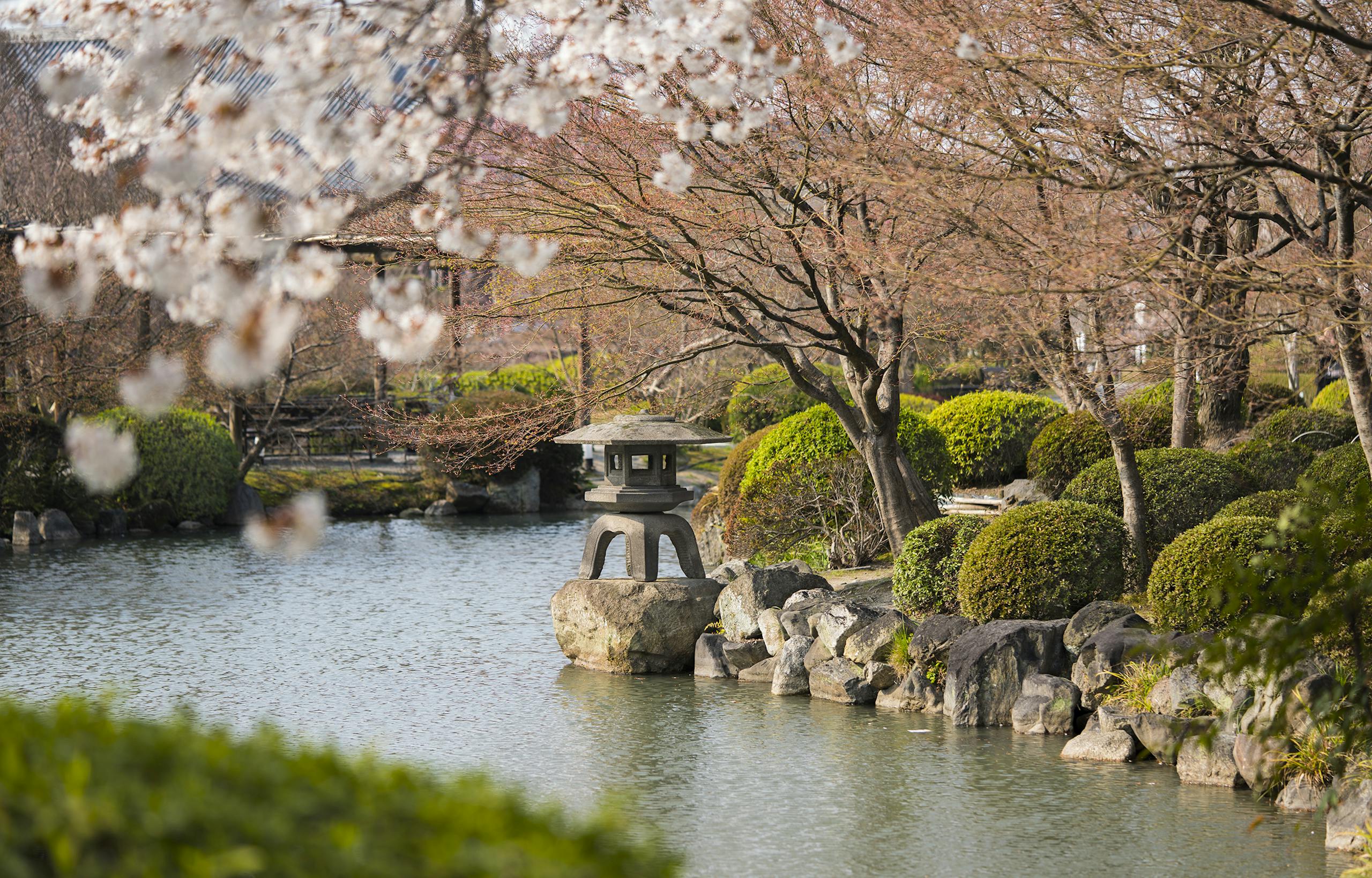
I wandered through the imperial palace, strolled through the East Gardens, found a nice place to sit, and just watched the time go by. Then, to leave some intrigue for a return visit, I walked out, leaving most of the palace still unseen. I had a general direction, but no urgency. I took side streets, followed dead-end pathways, ventured to look at pretty gardens and ponds. I felt unseen in a way that was comforting. Not a single person around me cared. I stumbled into various shops, looked around, and walked out with nothing again. I went for a run. I found random benches to sat at and eat onigiri.
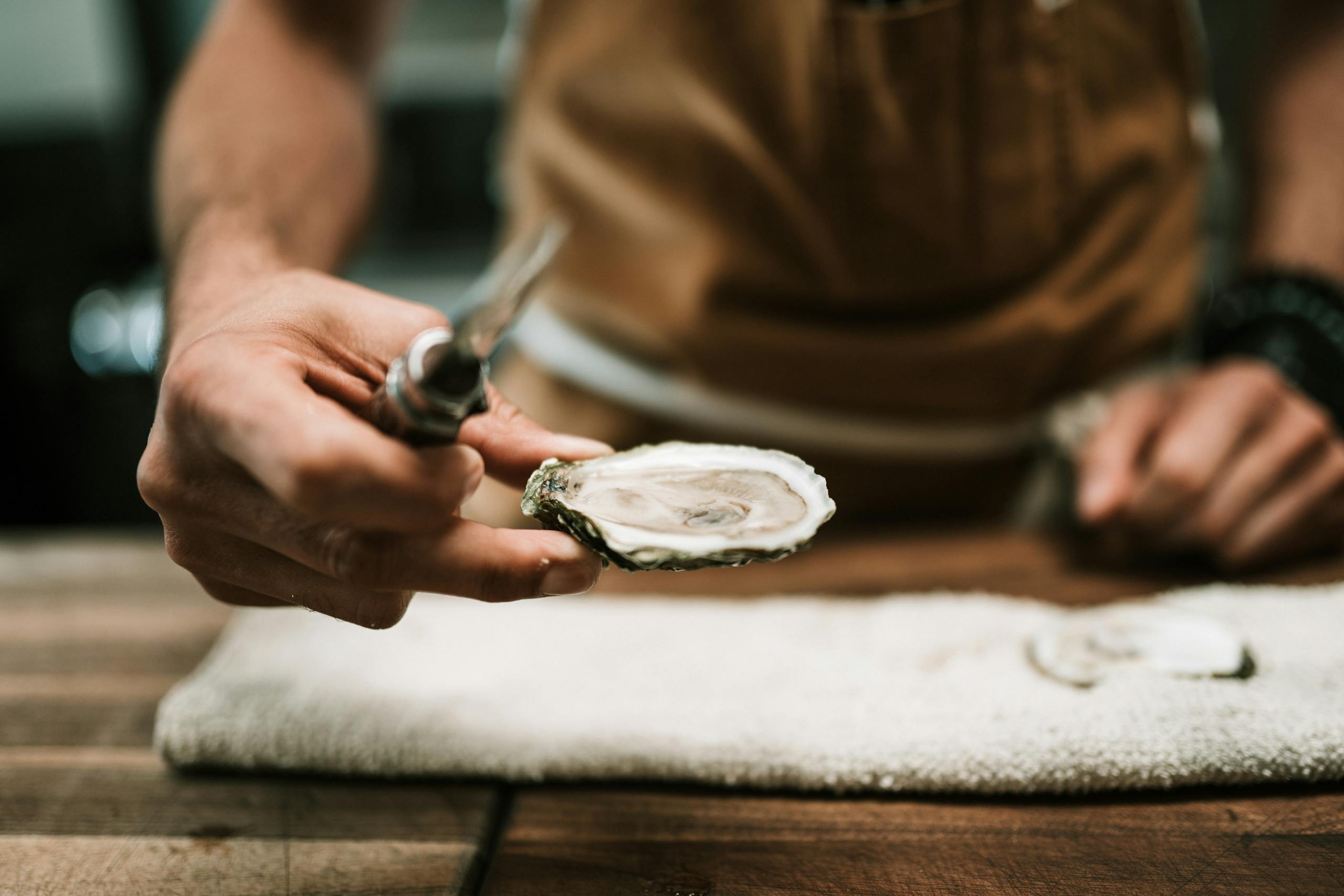
As far I could deduce, the now oft-coined phrase arose from a 1602 Shakespeare play, where a character threatens to open the world—and take its riches—with his sword, just as one may open an oyster to extract the valuable pearl inside: “why then the world’s mine oyster, which I with sword will open.” For me, this original context implies that one can apply force to get what they desire from the world, treating it like a closed oyster that held riches, attainable if pried open.
Over time however, this aggressive connotation faded, and the phrase has become a positive expression of freedom, potential, and opportunity, suggesting that life offers abundant opportunities, and you are in a prime position to seize them.
Oysters are closed, rough, and resistant. But, find the right angle to wedge them open and the pearl will reveal itself.
I’d argue that attaining the treasures on offer in life is not a matter of force. Of course, some effort will be required to completely shuck the oyster open, but your angle of attack is more important. Finding this angle is not easy. It takes changing your approach. It takes learning and adapting. It takes recognition and awareness to know when you’ve found the open seam. Force applied to an immovable object only leads to frustration.
If the world is your oyster, then days like these are how you learn where to place the knife. Freedom isn’t loud. It doesn’t even feel particularly special in the moment. Opportunity is usually with us all along, buried beneath layers of complexity and responsibility. Doing less usually leads to more insight. Sitting on a park bench eating onigiri—unseen, unremarkable, and untethered—certainly felt like wealth enough for me.