Appreciating Invisible Crises

Living in Australia, there are many incredible things that you never stop to appreciate the value of. When that is all you’ve ever known, it becomes so easy to absorb so many privileges into your default perception how life looks. Travelling has helped me to more fully grasp the idea that I’ve only ever glimpsed the narrowest window of insight into what living looks like; the entire spectrum of lives that are being experienced across the world.
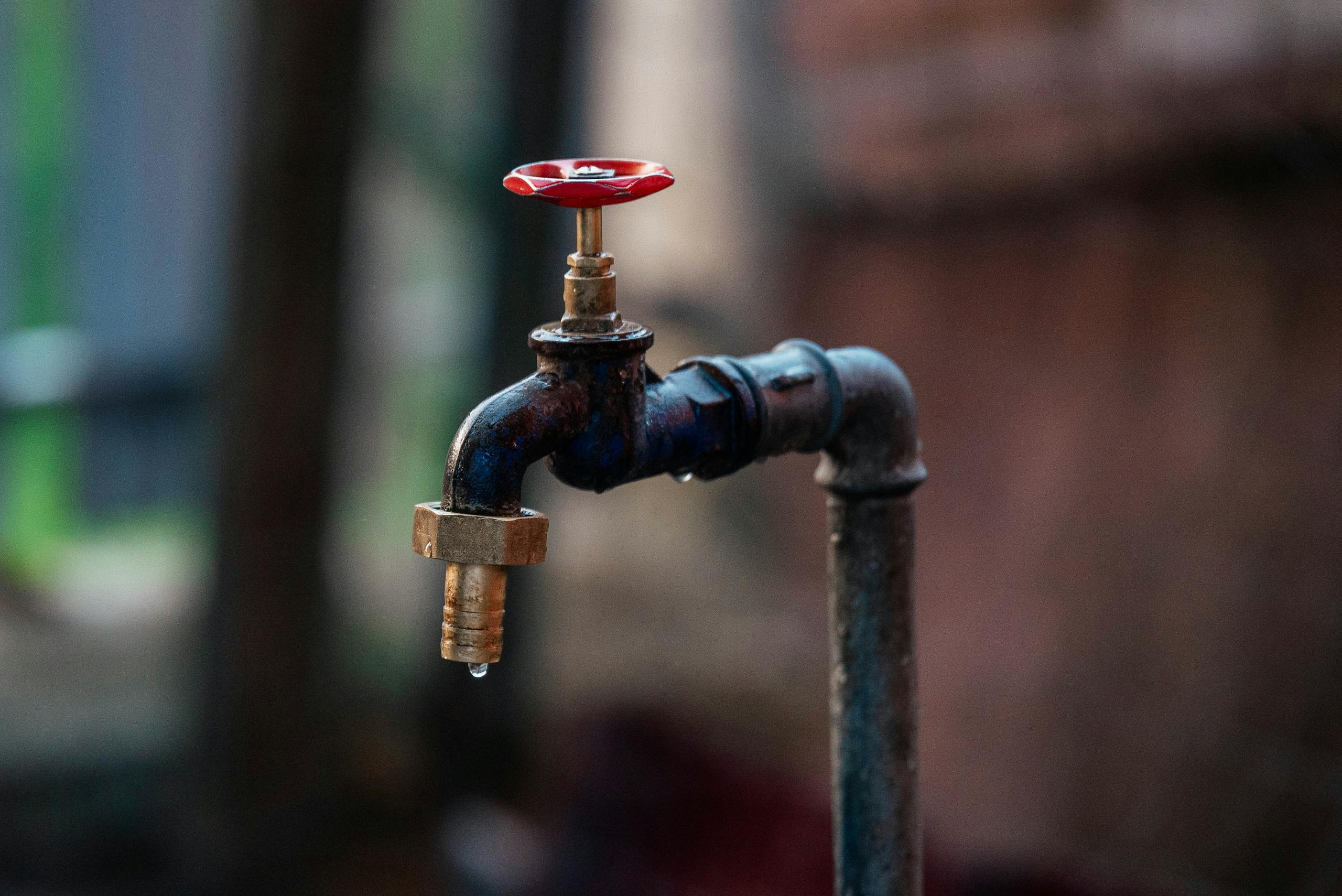
Epitomising the assumed privilege I refer to here, I believe, is access to water. Moreover, drinking water. It seems so simple conceptually. In Australian schools, we learn about how the water in our country is recycled in myriad creative ways. With such a buffet of options, alongside effective long-term planning, and the systemic bankrolling of quality infrastructure, it becomes a foregone conclusion to us—not only will water arrive from our taps when we turn the faucet, but that it will also be clean. From this starting point, the very notion of water scarcity can be baffling. On the global scale, how is this such an issue?
Well, in many countries, even if wastewater is being recycled and treated, the underlying infrastructure jeopardises water quality anyway, effectively rendering the recycling technology useless. Here in Thailand, for instance, although water is treated, by the time it travels from a treatment plant to your home, the piping network acting as the middleman has already tainted it with heavy metals and infection risks. Essentially, without robust infrastructure at every level, extreme efforts in one area won’t solve an endemic problem. Thus, politically, the overwhelmingly large investment needed to overhaul an entire system isn’t worth it, especially when a country has already become accustomed to life without potable tap water for so long.
With much of the world lacking effective water recycling, plus the ever-increasing costs and pollution burden associated with executing these systems—an issue unto itself—the burden falls to our ability to manage water as a finite resource. Climate change is making this more difficult year-by-year, as extreme weather events like drought or flood place heavy strain on water sources. Overall mismanagement doesn’t help either. Inefficient agricultural use actually present one of the largest culprits, accounting for around 70% of global freshwater usage (Biswas et al., 2025). With ever-increasing food demands, sustainable and efficient agriculture, plus crop diversity, is taking a backseat to mass production and monocultures worldwide.
Basically, we’re really lucky in Australia to have the beautiful elixir that comes from our taps. Such a daily necessity can seamlessly slip into our subconscious over time and we can easily forget how it came to be. It may be a complex issue, and largely an invisible one, but water shortage is a real global threat, albeit more under the microscope in some countries than others. Your consumption choices may seem trivially insignificant, but at least they’re in your control.