A Charming Evening in Okayama

Okayama. You might have passed through on a Shinkansen bound for Hiroshima or Fukuoka. Somewhat of an in-between city. Small enough. Big enough. For many, just right.
It holds some tourism allure due to its grand castle and beautiful Korakuen garden. Those attractions we’ll visit tomorrow. I have no doubt they’ll be wonderful. Today gave us a different glimpse into the city. Nothing special. Just something to leave me smiling. Unlike some of the ghostly de-populating cities we encountered along the Ise-ji, like Owase, Okayama seems to have a real vibrance to it. Young people exist here, too!
Where we’re staying feels a little out of the way, but we’re only a twenty minute walk from centre city. Even without train, exploring Okayama feels easy. It reminds me how much I take a car for granted in Australia. Everywhere in Japan so far has been within comfortable walking distance to a supermarket, except for the most remote of areas. Back home, most people wouldn’t dream of giving up their car. They wouldn’t be able to get to the shops! I think the more natural integration of suburbia facilitates that here. The places where families live, work, and eat blend more seamlessly and quietly within each neighbourhood, meaning everyone is closer to the action.
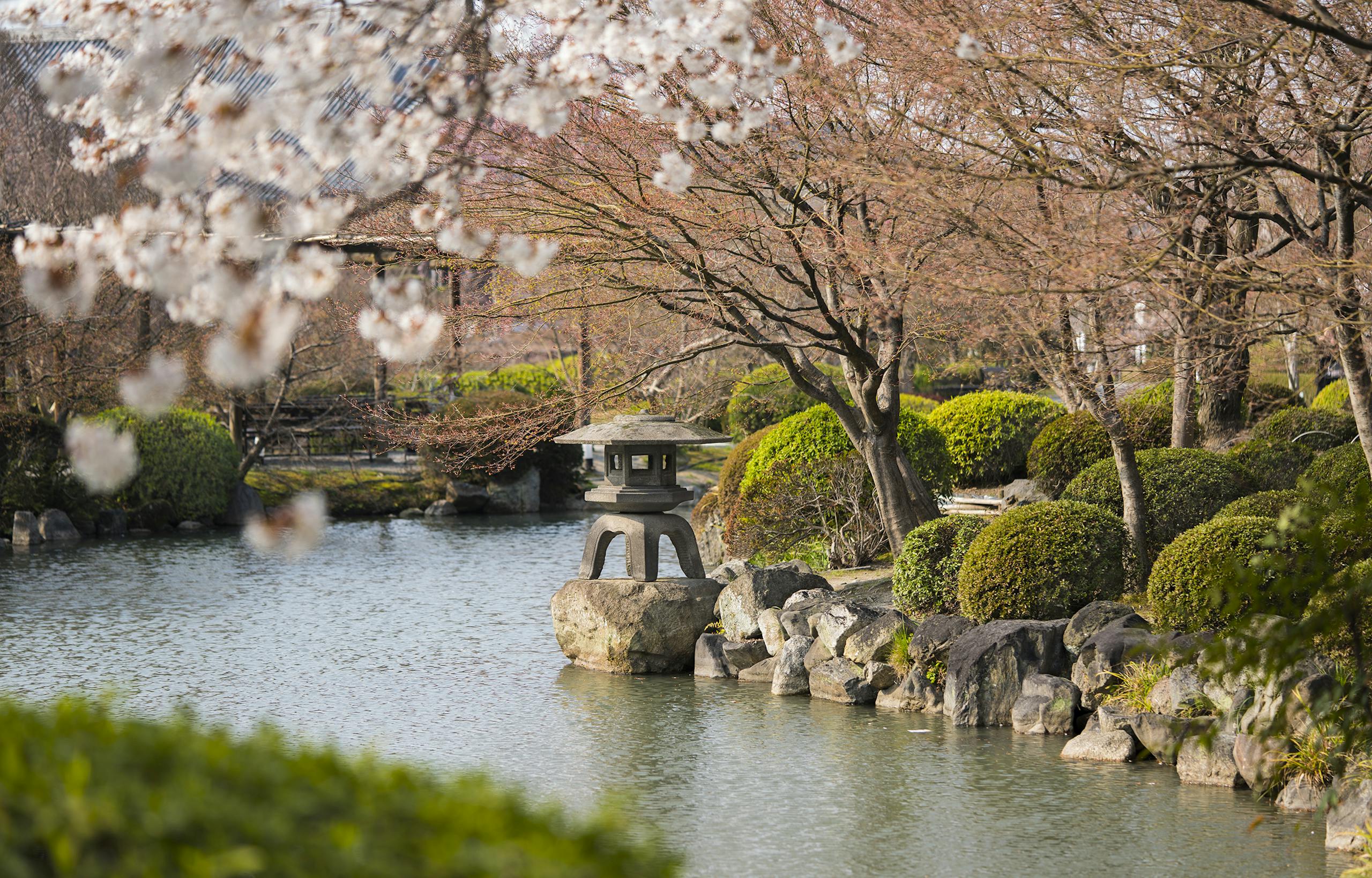
Anyway, leveraging this short distance, we walked this evening. Without much of a plan and a beautiful sunset at our backs, we followed one continuous road all the way into town, pausing only on a bridge that bisected the ground-level local trains and overhead Shinkansen line. Watching the sleek, baby blue bullet train gather momentum out of the station and then quickly fade into the orange-tinged mountain backdrop was gratifying. We reached a canal and then just followed it, sometimes using the collage of various little bridges to hop from one side to another, letting the flower-lined path guide us towards the city heart.
As the sun set, people walked dogs, shop shutters re-opened, and many came pouring out of the main station. Upon reaching what felt like the biggest junction in Okayama, as the road connecting station to castle revealed itself, we were surprised to see a tram line! Unusual. There were only these quaint one-carriage street cars. I don’t know how many locals they service, but they certainly added a cute vintage highlight to a street bookended by an ancient castle and sleek central station.
We hadn’t premeditated where dinner would come from. After all, we had all the flexibility in the world. As we’d grown accustomed to, a kitchenette awaited back home, with nearby supermarkets open until late, beckoning with their end-of-day discounts. Yet, as we kept following the stream, restaurant upon restaurant began popping up on either side of the water. Earlier in the day, we made a decision to make the effort in each place we stay to eat dinner out at least one night. More expensive? Sure. But truly not by that much. Plus, it offers an excellent opportunity to become more immersed in the unique flavours of every stop on our journey. Tonight seemed like a good call.
Upon entering the wonderful Okayama Kitchen, we immediately felt relaxed. A young waiter welcomed us enthusiastically, speaking perfect English as he guided us to a comfortable booth. The craft brewery joint had the slightly industrial, yet clean and sharp appearance of many a similar establishment back home. These revamped places always seem to hold an underlying tone of enthusiasm and energy that attracts a good crowd. Tonight, tables of suits laughed and drank beer with smiling faces in the corner. Women caught up for a mid-week dinner and drinks. Youthful bar staff whizzed around the room, delivering trademark Japanese service in an effortless way.
The menu was surprisingly reminiscent of home. Global influence with Japanese character. Italian. Tapas. Various meat and fish dishes that conveyed attention-to-detail whilst maintaining the pub charm. Not especially cheap, nor exceedingly delicious. Just honest food, at an honest price, served at a place brimming with great vibes.
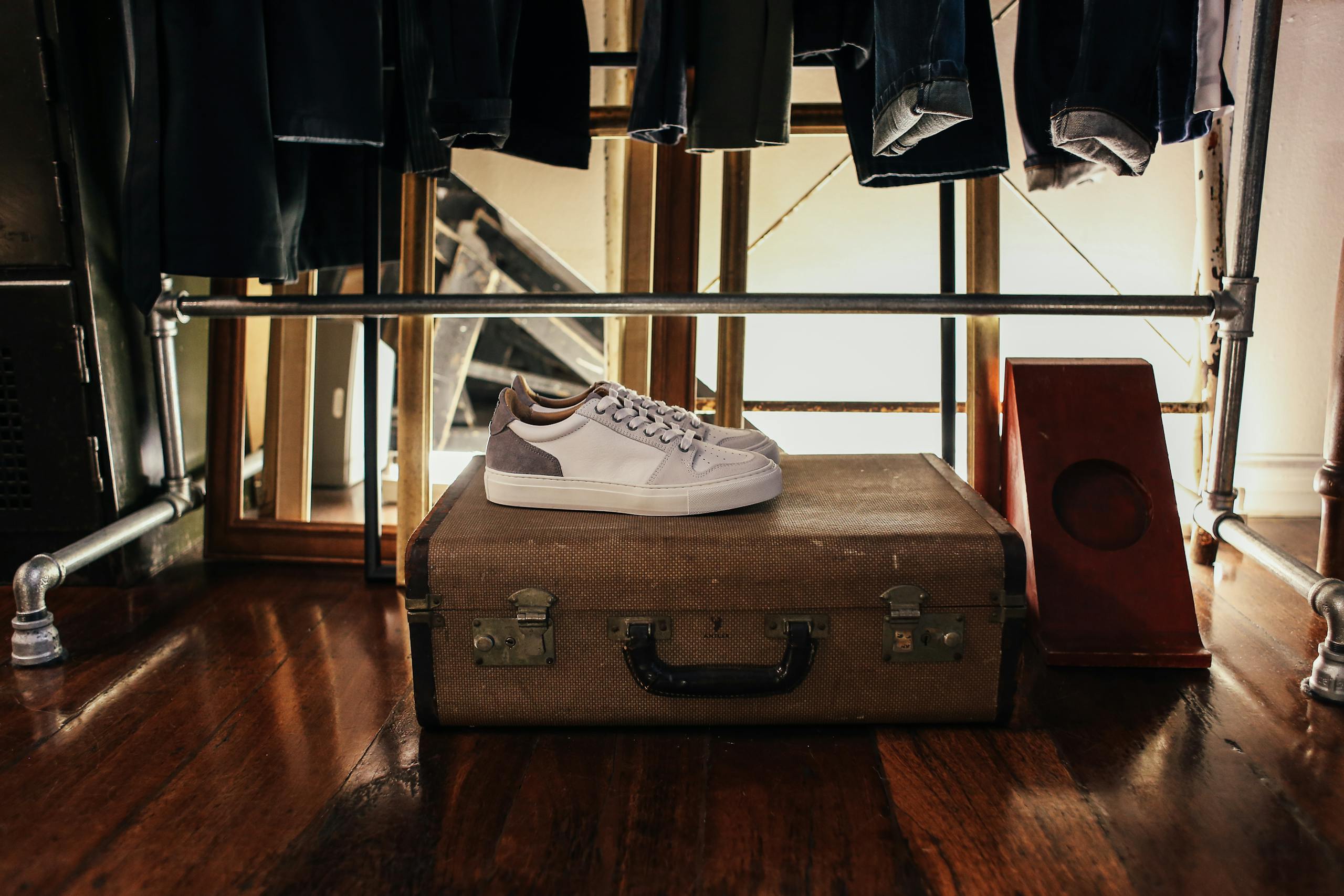
To return home, our navigation tried taking us through the station. I’m sure there was a passageway somewhere, but not obvious to us. The aimless detour was worthwhile, though. Otherwise, we wouldn’t have discovered Top of the Hill, a clothing store placed unassumingly on the second floor. Unable to resist taking a peek—having walked this far into the station already after all—we stepped inside to check out it. Once within, the store seemed to triple in size. The racks were endless. The window shopping potential endless, too. After all, our true buying power was still basically zero. Not a bad thing.
An aesthetic forged through a uniquely charming blend of antique chandeliers against a clean-cut modern ceiling and dark wooden walls invites you in. Every rack contains absolute gems, for very reasonable prices. A vintage store like this would without a doubt become overrun in Australia. The masses of my generation would flock to snag the denim jackets, faded caps, and graphic tees in front of me, all vaguely sporting allusions to various cultural icons, sporting teams, or music artists. From cowboy boots to corduroy, paisley scarves to pyjamas, and jeans to jerseys, the range on offer kept on giving. The background music matched beautifully. Sometimes jazz. Sometimes a country twang. Various finds bring a smirk to my face. St Kilda scarf. Scottish rugby union jersey. Used Subway worker’s hat. We leave, without anything to show for it, except for a smile on our faces.
Home by 8pm. Just a short walk away. Evenings like this really capture for me the allure of the vibrant mid-sized cities dotted throughout Japan. Those with enough left for the next generation to thrive alongside their aging predecessors. Where old meets new. Tradition meets innovation. These cities are accessible and well-resourced. Quiet when you want them to be. Bustling behind the scenes if you look hard enough. Not perfect, but also not to be overlooked. What we’re yet to see here is another tourist.