Vipassana Vault: Day 2

Context
After more than a week spent mulling over the experience, losing the plot at times, forgetting everything I learned and felt, and being swept back up into the real world, I finally have set aside time to reflect—in writing—upon my 10-day Vipassana retreat in Kyoto, Japan. I tried my best to keep a mind palace throughout the ten silent days (plus the two additional days as well). Mercifully, I dumped everything into a series of voice memos on the train back to Ōsaka, which has allowed me to let go a little bit over the past week, knowing that my in-the-moment thoughts are there to return to.
In short, a mind palace refers to the mnemonic technique of mentally placing information in specific locations along a familiar route or space. For me, I chose my bedroom growing up, with each day being allocated a particular section within it. To recall the information, you simply take a mental walk through that space and pick up what you left there. It leverages the strong spatial and visual memory of the brain to encode otherwise abstract or hard-to-remember information. I tried my best to make up little stories and objects scenes that would stick in my mind more easily.
Hence, I’d originally titled this series Inside the Mind Palace of a Mad Man, but that felt too complicated in hindsight, and kind of misses the major detail about these reflections in that they relate to a Vipassana course. So, the Vipassana Vault it is instead.
Over the next ten days, I’ll share my Vipassana adventure with you through this mind palace lens, hopefully offering a light-hearted spin on the whole journey and using it as a gateway to dive deeper into what I felt. Ultimately, this is both an exercise for myself in aiding my own digestion and processing of the retreat, but also a medium to share everything I experienced with others.
I should clarify: each day from one to nine was essentially the exact same, in terms of schedule. You can hopefully find a simple snapshot here. Whilst the minutiae of how I exactly used these chunks of time varied from day to day, the overall gist was unchanged. These mind palace reflections, therefore, intend to highlight mainly just the moments or thoughts that stood out to me, rather than attempting to capture every detail in a running commentary fashion.
Day 2
Well, I made it this far, at least. Like the first real day, Day 2 presented many a challenge. However, rather than just being in pure survival mode and acutely rejecting anything that involved sitting like a Buddha statue, I began to actually embrace the technique a little.
Song of the Day
Money by Lime Cordiale
Again, a weirdly upbeat choice. I don’t understand the subconscious rationale that went on in my mind to reach this selection, but I like it. This is very much just a feel-good Australian indie rock song. Perhaps I had money on my mind in one way or another, I don’t remember. But I do recall this looping especially often while I had a notably productive and pleasant morning session in my room. This one reminded me a lot about being back on the Sunshine Coast.
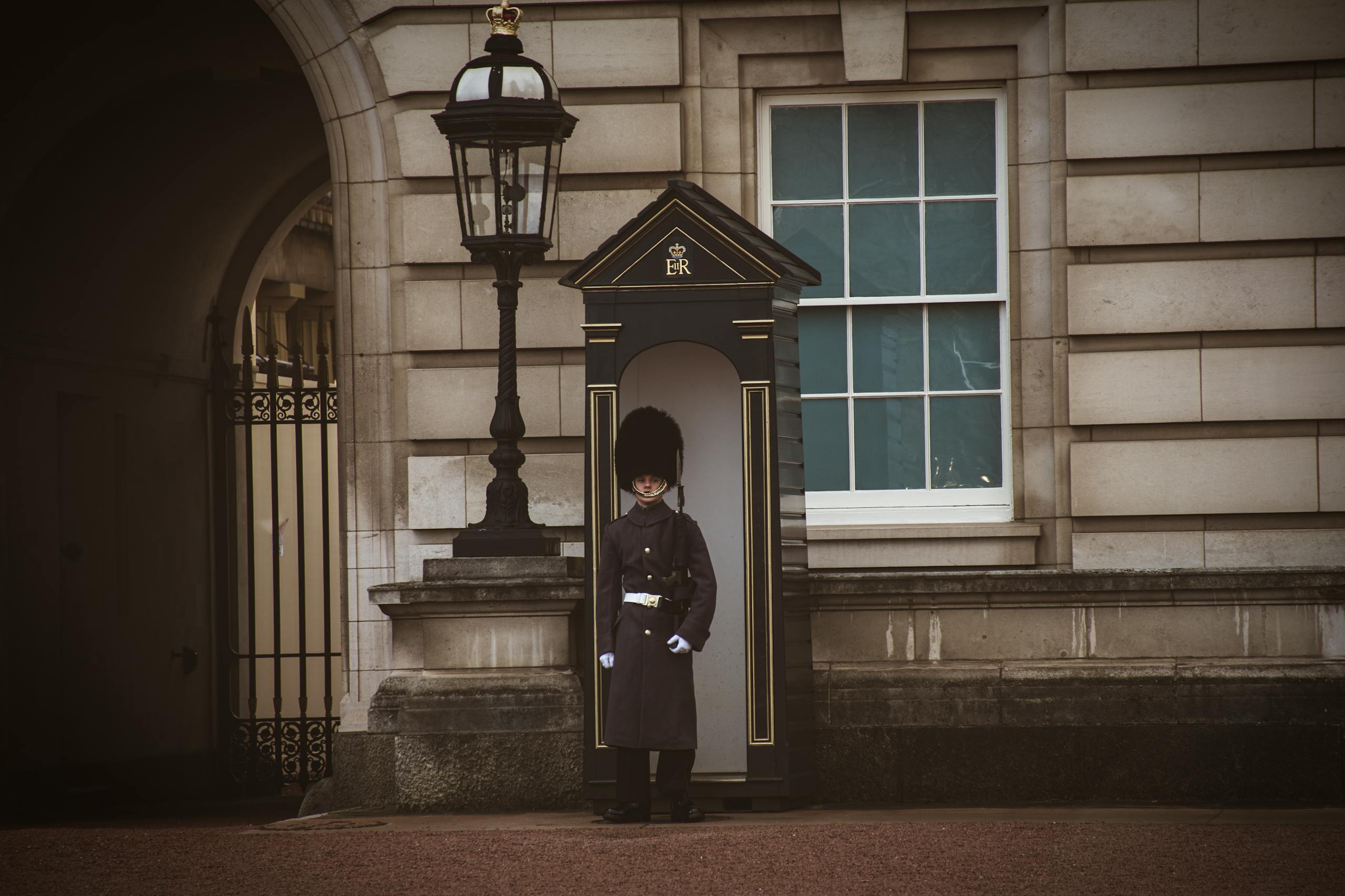
In my mind palace, the key object of this day was an image of myself as a guard or a soldier, perhaps like the type you’d see stationed outside Buckingham Palace. As for what I was guarding? The entrance to my nostrils. Lunacy, you see?
But truly, this imagery helped me focus. The first three days basically comprise only Anapana meditation, not Vipassana at all, actually. In essence, Anapana involves observation of breath. Crucially, the natural, normal breath. Entering and leaving the body, flowing as it decides, not with any set cadence or feel as determined by you. Observing your breath objectively in this manner is subtly difficult. When you fixate on something, it becomes challenging to not consciously judge or alter it at all. It is natural to start to change our breathing once we notice how we’ve been respiring in the background. Perhaps you feel your breath is too shallow, or abnormally deep. You’re just sitting still, after all, not exercising! Or maybe you don’t like how you can only feel the air pass through your left nostril. Such imbalance! In Anapana, the quest is simply to observe the feel of your breath as it arrives in any moment, regardless of its qualities. Sneakily, such a hard task.
On Day 1, my mind wandered incessantly. When I did manage to channel my focus towards my nostril area, I did so bringing criticism along with it. I’d become frustrated when I couldn’t feel any sensation at all. This was supposed to be the easiest part. I felt I was already failing at the first hurdle and was, therefore, doomed. Thus, I went back to being lost in thoughts and further and further away from the touch of my breath.
Day 2 saw some improvement. I think the biggest change was a mindset shift. There were ten more days, without a skip button, nor a 2x speed button. I would have to immerse myself in the meditation itself, not just wish for it to be over. After all, why was I here in the first place if not for that purpose? With that resolution, I brought more motivation to each day, determined to remain as focused as possible. At times, that brought more frustration, because I was even more invested in the outcome. Things opened up when I allowed myself to struggle imperfectly, then try again—and again—an endless number of times, without seeing that as failure.
In any case, back to the guard imagery. When I was focused, this was how I imagined myself. A sentinel stationed above my upper lip. Alert, still, and attentive. Scanning for even the slightest sensation that would indicate my breath coming or going. At times, I started to get the hang of it. Other times, I would revert back to aimless wandering.
Important to note about this specific image of a guard I’ve got visualised in my head: he wear shorts and no shoes. Why? This day was beautiful. After wearing my hiking boots for all of the prior day whilst trudging through the snow, today I decided to go barefoot in the lunch break. I reasoned that this might help me feel a little bit more grounded, and shift my attention away from my thoughts and into moving my body instead. It worked well. To facilitate this, I unzipped my convertible hiking pants and turned them into shorts. It was still freezing cold, but it was lovely. It seems a little silly, but being barefoot outside is actually one of my favourite things. A practice I’ve certainly prioritised more over the past couple of years.
After the lunch break had concluded, I snuck back up the rickety stairs to the meditation hall, feeling the best I had all retreat thus far. Unfortunately, I’d forgotten the dress code. You couldn’t wear shorts. I was genuinely oblivious. The kind-hearted course manager, Kei, caught me completely off guard when he spoke to me—in slightly broken English with a hushed voice. Immediately, I felt tears well up inside me. There was nothing but compassion in his tone, and the message was delivered with a smile, but simply hearing the sound of another voice broke me. As I apologised, I heard my own voice for the first time in two days. It was such a interesting encounter because it took so little to push me over the edge emotionally in that way, yet it also kind of made my day.
Day 2 was a very important marker. Although I still had significant struggles on the cushion (my right hip was on fire), I felt more established in both the basic technique and daily routines. I realised that my next week would look like this no matter what and leaned into the process a little more. Not always, of course. Sometimes, I still despised it. Despair lingered. But there was a light. Shining in some moments. Murky in others. The real work was just beginning.